Counselling, CBT, Rewind Trauma Therapy & Creative Counselling in York & Online
Safe, compassionate, and tailored talking therapies to help you navigate life's challenges
Welcome, and thank you for visiting Jorvik Talking Therapies
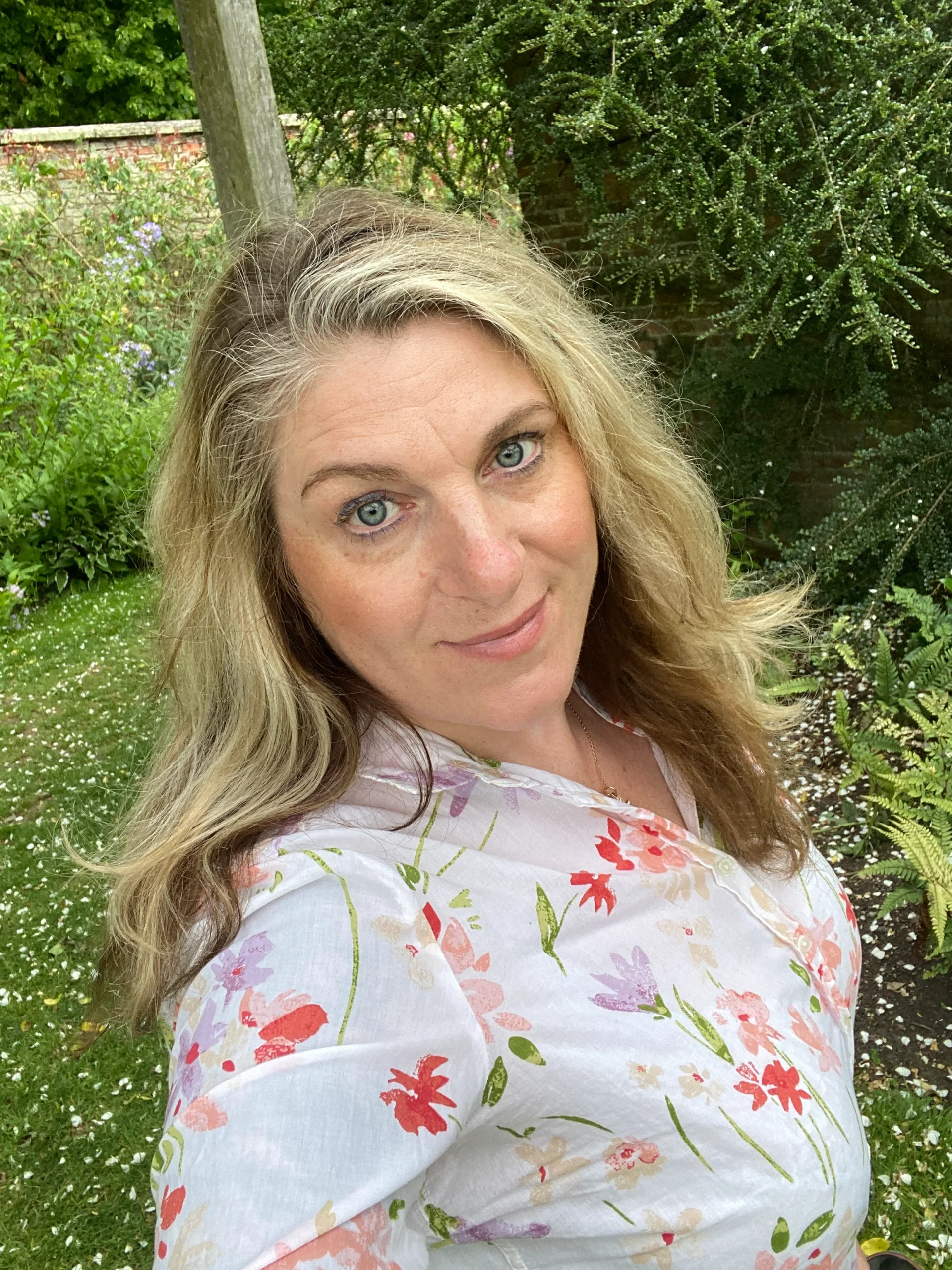
My name is Jo, and I am a qualified integrative counsellor and therapist in York. I am an approved BACP member and adhere to their Ethical Framework. I use a person-centred, therapeutic approach, treating each client holistically as the unique individual that they are.
I am also qualified to provide additional modalities alongside this, such as: Walk and Talk Therapy, for those wanting an outdoors environment, Cognitive Behavioural Therapy (CBT), Creative Interventions, Emotional Freedom Tapping, and run a trauma-informed practice offering Rewind Trauma Therapy (IARTT).
I work with Adults, Children and Young People aged 11-17 in and around York and online across the UK. Please view my specialities here. I also offer holistic therapies, workshops, and products to support wellbeing and wellness.
Ready to take the first step?
Starting therapy can feel daunting, but you do not have to carry it alone. I offer a free initial consultation to see how we can work together.

Life brings many challenges, and it is understandable that at times we might look for support in facing them. As a counsellor my role is to provide space and guidance.
Join me for personalised talking therapy, where I can help you navigate your journey.
I consider myself to be a highly empathetic, compassionate integrative counsellor, using a variety of therapeutic approaches, helping clients explore and cope with their problems.
I have 30-years prior experience in teaching and practicing holistic treatments.
I am an excellent communicator who pays attention to detail and have efficient problem-solving skills.
Previously, I have worked with young people who were experiencing challenging attendance, behaviour, school refusal, self-harming, low self-worth, family issues, grief, loss, and anxiety. The impact of my work showed a positive outcome in the above aspects.
I have also worked with adults in agency settings and privately with carers, disabilities, ND, anxiety, low mood, self-harm and domestic abuse with all genders.
Speak in confidence
Counselling offers a safe, supportive environment where you can speak openly with me, and I will listen with empathy and understanding, without judgment. It's a space where you can share your thoughts and feelings freely, with complete confidence.
A problem shared...
Whether it's struggles with relationships, anxiety, panic attacks, mood swings, or depression, many people encounter challenges in their daily lives that can feel overwhelming. Counselling provides valuable tools to help us better understand the root causes of these issues and offers a path towards managing or resolving them.
Would you like to make healthier, new choices?
By working together, I can assist you in gaining a deeper understanding of the challenges you're facing, help you explore why you respond the way you do, and guide you in making healthier, more positive choices moving forward.
What issues could Counselling help with?
People seek support for a variety of challenges. Here are some of the more common issues that counselling can assist with:
- Anxiety and Stress
- Depression and Low Mood
- Relationship Issues
- Panic Attacks
- Grief and Loss (loved ones and pets)
- Low Self-Esteem and Confidence
- Anger Management
- Trauma and PTSD
- Addiction and Substance Abuse
- Life Transitions (e.g., divorce, job change, relocation)
- Self-Discovery and Personal Growth
- Parenting Issues
- Phobias and Fears
- Eating Disorders
- Menopause
- Neuro Diversity and after or before diagnosis
- Caring Roles and Responsibilities
- Loneliness
- Issues Children and Young People encounter
- School, bullying, low self esteem
- Gender, LQBTQ plus
Specialities:
Neurodivergent Individuals
Counselling for neurodivergent individuals is often tailored to their specific experiences and can help create an environment that is both accepting and empowering. Counselling can be incredibly beneficial for individuals with Neurodivergence (ND), such as autism, ADHD, dyslexia, or other neurological differences. Neurodivergent people often face unique challenges in areas like communication, social interactions, sensory sensitivities, and emotional regulation.
Counselling can offer support in the following ways:
1. Emotional Regulation: Helping individuals manage intense emotions, stress, and frustration in a healthy way.
2. Social Skills Development: Assisting with understanding and navigating social cues, building better communication skills, and fostering relationships.
3. Self-Acceptance and Confidence: Supporting individuals in embracing their neurodivergent traits, improving self-esteem, and reducing feelings of isolation or inadequacy.
4. Coping Strategies: Providing tools for managing sensory overload, anxiety, or other challenges related to neurodivergence.
5. Problem-Solving and Organisation: Helping with executive functioning issues like time management, prioritisation, and task completion.
6. Navigating Life Transitions: Assisting with life changes (e.g., school, work, or relationships) and providing guidance for adjusting to new environments or expectations.
7. Supporting Families: Offering guidance to families and caregivers on how to best support a neurodivergent individual’s needs.
Trauma-Informed Counselling
A Trauma-Informed Practice in counselling refers to an approach where the counsellor understands, recognises, and responds to the effects of trauma in a way that prioritises the safety, trust, and well-being of the client. It is based on the understanding that trauma can have profound and lasting effects on an individual's mental, emotional, and physical health, and thus requires specialised care and sensitivity in therapeutic settings.
In trauma-informed counselling, the focus is not just on addressing symptoms but also on creating a safe and supportive environment where clients feel empowered and validated as they explore their trauma-related experiences.
Key Principles of Trauma-Informed Practice:
1. Safety: Ensuring physical and emotional safety for the client. This includes creating a safe, welcoming environment and respecting boundaries.
2. Trustworthiness and Transparency: Building trust by being transparent in how therapy is conducted, setting clear expectations, and being consistent in actions and words.
3. Peer Support: Acknowledging the value of community and support from others who have experienced trauma or similar struggles, whether in group therapy or other social settings.
4. Collaboration and Empowerment: Fostering a partnership between the counsellor and the client, where the client is empowered to take an active role in their healing process and is given choices and control over the direction of therapy.
5. Cultural, Historical, and Gender Sensitivity: Understanding the impact of cultural, historical, and gender factors on a client’s trauma and healing process. Counsellors should be aware of the diverse ways that trauma may manifest across different populations.
6. Avoiding Re-traumatisation: Ensuring that therapeutic practices and interventions do not unintentionally re-trigger or worsen the client's trauma, which could hinder the healing process.
How does Trauma-Informed Counselling work?:
The overall goal of a trauma-informed practice is to create a safe and supportive environment that fosters healing, empowerment, and long-term recovery for those affected by trauma.
Somatic Therapy and Polyvagal Theory
I work somatically with my clients if appropriate.
Somatic therapy in trauma counselling refers to the practice of using the body to help process and heal from trauma. Somatic approaches are based on the idea that trauma is not just stored in the mind but also in the body. When we experience traumatic events, our bodies can become physically and emotionally "stuck" in the trauma. This can manifest as tension, pain, or other physical symptoms that are tied to the emotional and psychological impact of trauma.
How Somatic Therapy Works in Trauma Counselling: Somatic therapy involves a range of techniques that help clients reconnect with their bodies, release stored trauma, and re-establish a sense of safety and control. It often focuses on body awareness, physical sensations, and breathing to unlock and process emotional and physical trauma.
Counselling for Children and Young People (11-17)
A CYP (Children and Young People) counsellor offers mental health support tailored to the unique needs of children, teenagers, and young adults. They focus on helping young people navigate emotional, psychological, and behavioural challenges, often related to issues such as:
I work with a range of therapeutic techniques, such as talk therapy, play therapy, cognitive-behavioural therapy (CBT), and other child-focused approaches to help them express their feelings, develop coping skills, and improve their emotional well-being. The aim is to provide a safe space where young people feel understood and supported.
Rewind Trauma Therapy (IARTT)
Heal from trauma without having to relive it.
When you have experienced or witnessed a distressing event, those memories can stay "stuck" at the front of your mind. They might resurface when you least expect it as flashbacks, nightmares, intense anxiety, or phobias.
Traditional talk therapies are incredibly valuable, but revisiting a painful memory out loud can sometimes feel too intense, restrictive, or exhausting.
At Jorvik Talking Therapies, I offer Rewind Therapy—a gentle, fast-paced trauma intervention that provides "closure without disclosure". Developed by Dr. David Muss and accredited by the International Association for Rewind Trauma Therapy (IARTT), this specialist technique can help permanently stop the involuntary panic and distress of a trauma memory, often in just one to three sessions.
The Best Part? You Don't Have to Tell Me What Happened.
You do not need to share the sensitive, private, or painful details of your trauma with me for this therapy to be completely effective. Because you remain completely in control of your narrative without needing to voice it, the process avoids the risk of re-traumatisation. It is an ideal approach
if you:
- Find it hard to put your feelings into words.
- Want to process a specific event (such as a car accident, medical trauma, or a phobia).
- Are managing the weight of complex trauma or sudden life transitions.
How Does the Rewind Technique Work?
During a session, I will guide you into a calm, relaxed, and focused state of mind. From a psychological position of safety, you will be asked to mentally imagine watching a "film" of the event on a screen, and then quickly "rewind" the footage at high speed.
This visualisation process encourages your brain to re-file the memory correctly. It moves the memory out of the emotional, active part of your brain (the amygdala) and places it into your historical memory storage. You will always remember that the event happened, but the automatic, terrifying emotional trigger will be gone.
How We Can Work Together
Like all of my work at Jorvik Talking Therapies, this process is entirely flexible and designed around you. We can look at incorporating the Rewind Technique alongside our broader person-centred counselling, CBT, or creative work.
I offer this support in a few comfortable formats to suit your preferences:
- In-Person Therapy: Within a warm, relaxed, and private space in York.
- Online or Telephone Therapy: Available comfortably from your own home anywhere in the UK.
- Home Visits: Face-to-face support tailored directly to your doorstep in the York area.
You do not have to carry the weight of the past or figure it all out alone. If you would like to explore whether Rewind Therapy is a good fit for you, please get in touch.
Home Visit Counselling
If attending a traditional clinic feels challenging or uncomfortable, you can now receive professional psychological support in the safety and familiarity of your own space. I provide tailored, face-to-face therapy directly to your doorstep across York and the surrounding areas.
I offer face to face counselling in York and for those further afield across the UK, I offer online and telephone sessions. Full location details will be provided when we arrange our sessions.
For those who prefer outdoor sessions, I offer walk-and-talk Eco Therapy with a choice of routes in the York area.
Please contact me if you have any questions about how online or walk-and-talk therapy works.
Individual counselling sessions last 50 minutes and are usually held weekly to gain the most benefit. Fees are £45 for online sessions and £55 for in-person sessions. This can be reviewed and remains flexible to suit your needs.
I also provide a limited number of spaces for those on low-income or for students; contact me to enquire about availability.
Initial assessment appointments last around 50 minutes and costs £45.
Note that if you want to cancel an appointment, I require 48 hours’ notice; otherwise you will still need to pay for any sessions missed. I accept payment in cash, or by bank transfer.
Get in touch
Feel free to contact me on 07984 878404 or via my contact form if you have any questions about how counselling works, or to arrange an initial assessment appointment.
This enables us to discuss the reasons you are thinking of coming to counselling, whether it could be helpful for you and whether I am the right therapist to help.
All enquires are usually answered within 24 hours, and all contact is strictly confidential.